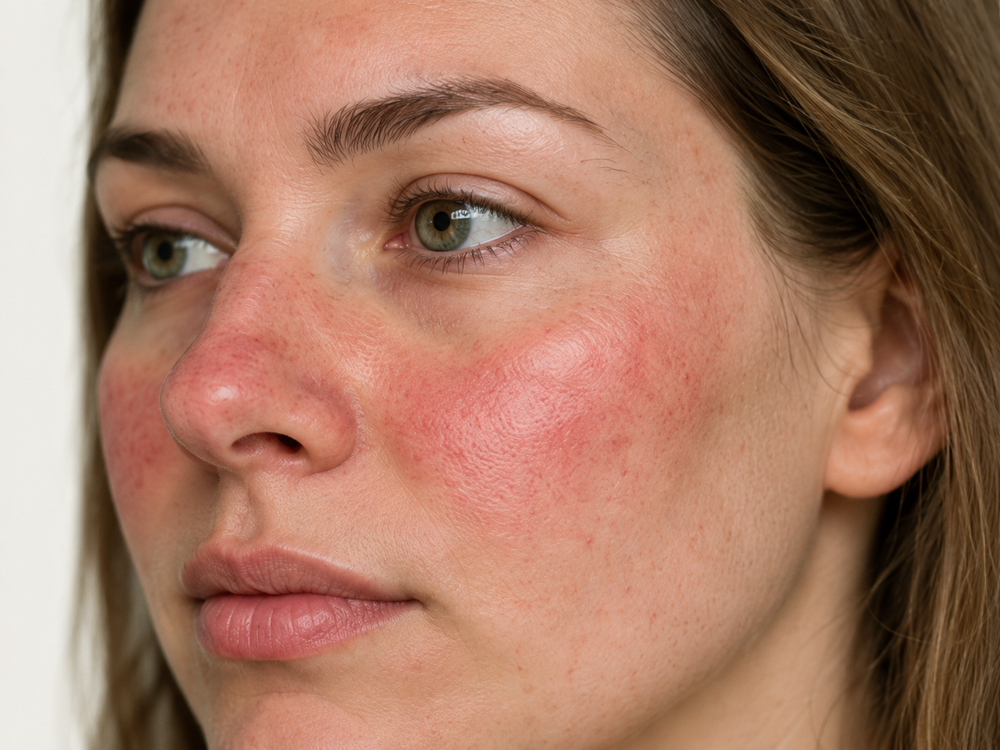
Understanding Facial Redness

Understanding Facial Redness

Causes, Treatments & Prevention

Understanding Facial Redness

Causes, Treatments & Prevention

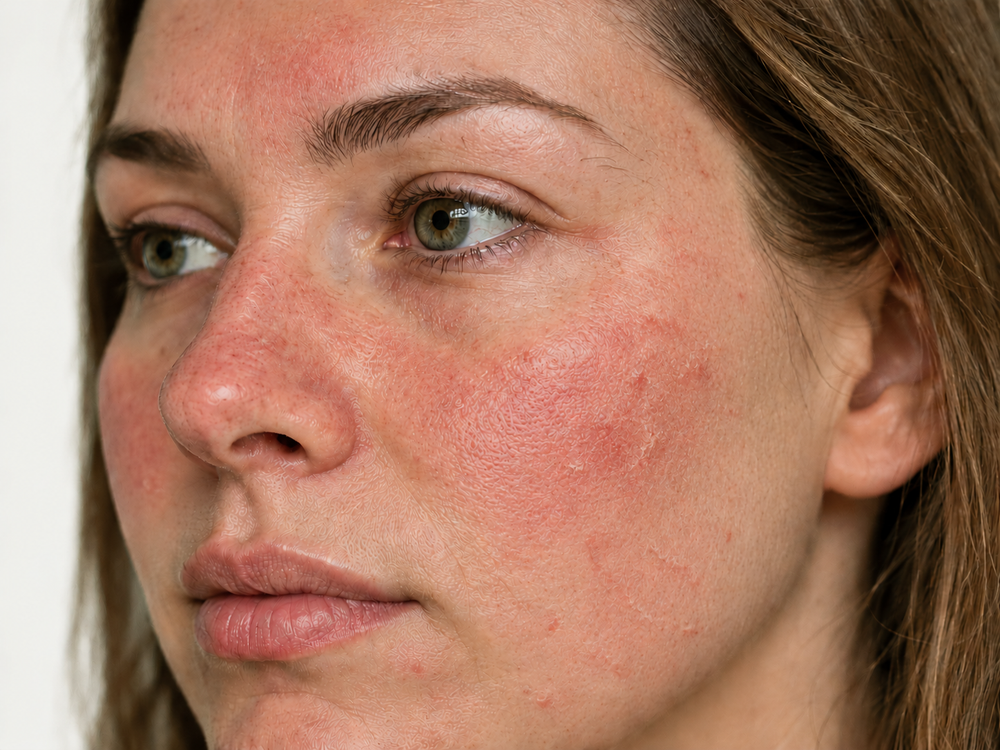
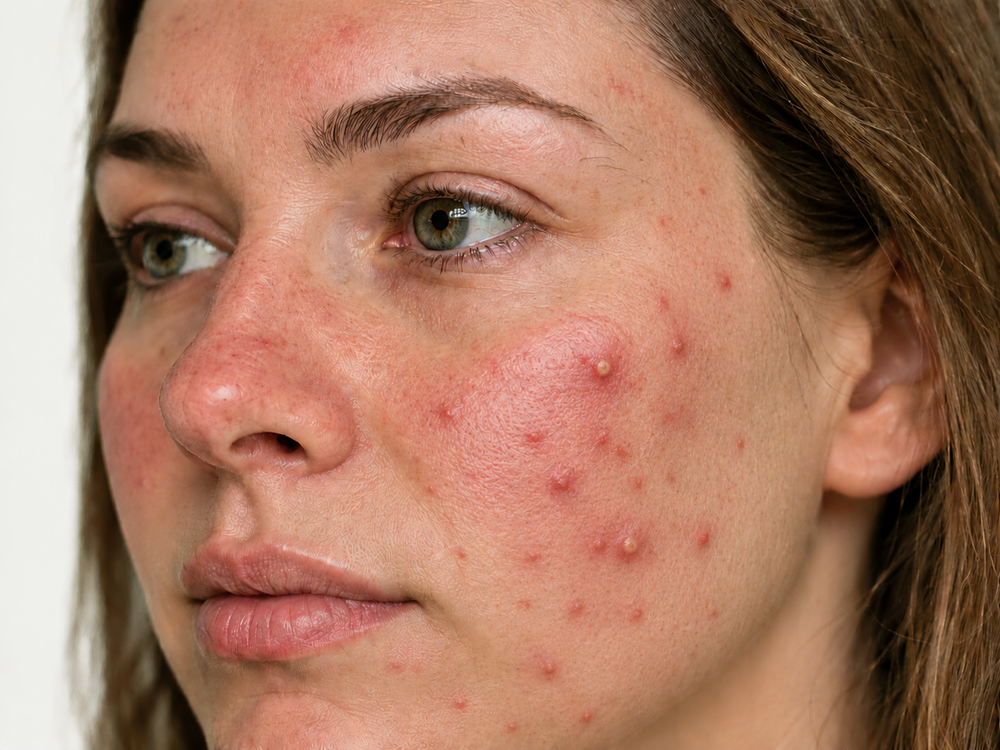
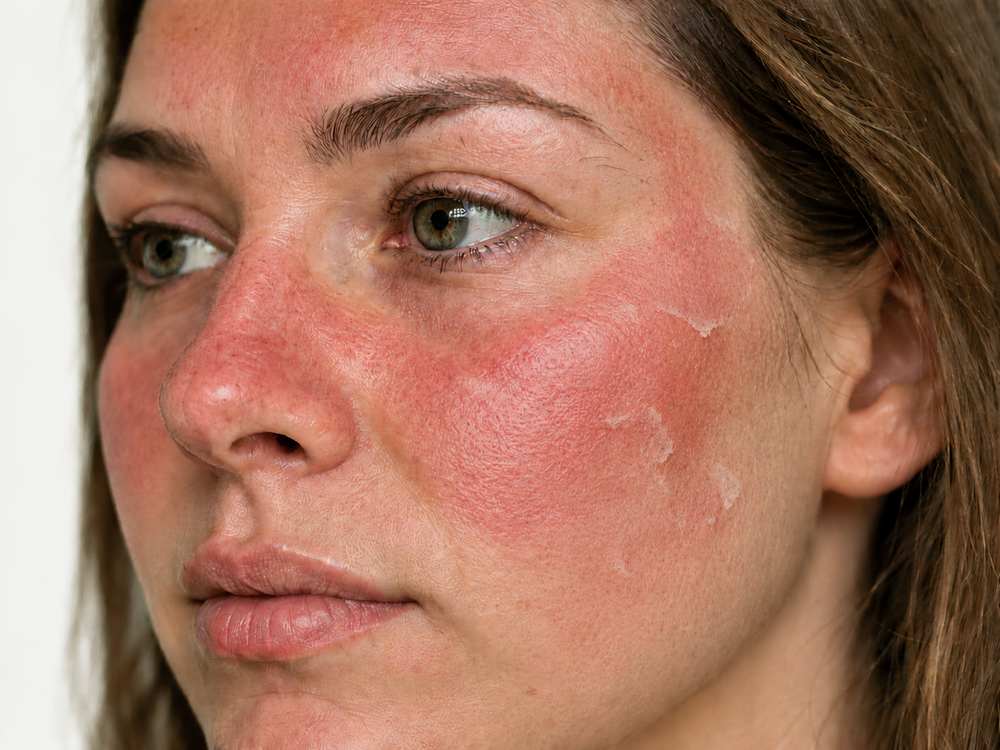
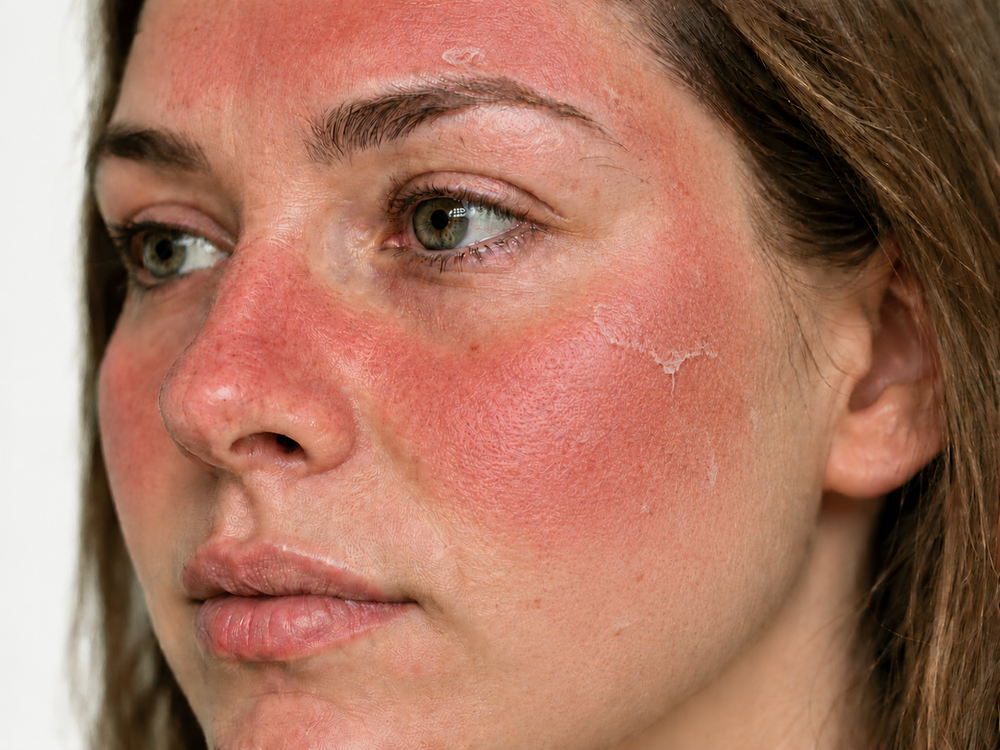
Understanding facial redness

Facial redness can arise when small blood vessels near the skin's surface widen, making them more visible. Warmth, exercise, emotional stress, weather, or certain skincare ingredients may contribute to temporary flushing.

When redness is frequent or long-lasting, its causes can vary. This illustration is a simplified educational visual and cannot identify a skin condition.

Illustration of superficial facial blood vessels beneath skin A simplified side view of skin layers with fine branching red vessels close to the surface. Skin surface Superficial vessels Simplified cross-section · not to scale
A simplified illustration of small vessels near the skin surface.

Temporary Redness

Often appears after a trigger and may settle as the skin returns to its usual state. Individual experiences differ.

Persistent Redness

Redness that remains or repeatedly returns may have several possible causes. A qualified healthcare professional can assess ongoing concerns.

This content is for general education only and is not a diagnosis or substitute for professional medical advice.

Skin, explained

Why Does Facial Redness Happen?

Facial redness develops through several biological processes involving blood circulation, the skin's protective barrier, and inflammatory responses. Understanding these processes helps explain why redness can appear suddenly, persist, or return repeatedly.

01

Increased Blood Flow (Vasodilation)

Your skin contains tiny blood vessels that help regulate body temperature and deliver oxygen and nutrients.

When exposed to triggers such as heat, exercise, or emotional stress, these vessels can temporarily widen through a natural process called vasodilation.

As more blood flows near the skin's surface, the face may appear flushed or feel warm, particularly around the cheeks and nose.

Superficial blood vessels and vasodilationA skin cross-section showing narrower and widened superficial blood vessels beneath the surface. Narrow vesselDilatedSkin surface
02

A Weakened Skin Barrier

The skin barrier is the outermost protective layer of your skin. It helps retain moisture while protecting against environmental irritants.

When this barrier becomes compromised, moisture can escape more easily, leaving the skin vulnerable to dryness, irritation, and inflammation.

Common signs include:

  • Dryness and tightness
  • Burning or stinging
  • Flaking or rough texture
  • Increased sensitivity to skincare products
  • Visible redness or irritation
Healthy and compromised skin barrier comparisonTwo skin cross-sections compare a continuous protective surface with a disrupted surface and escaping moisture. Healthy barrierCompromised barrier Moisture retainedMoisture loss
03

Skin Inflammation

Inflammation is part of the body's natural defense response to irritation, allergens, injury, or infection.

When inflammatory pathways become activated, the skin may develop redness, warmth, swelling, itching, or discomfort.

Conditions such as eczema, rosacea, and contact dermatitis involve different inflammatory processes, making accurate diagnosis important.

Illustration of inflammation in skin layersA simplified skin cross-section showing immune response markers and a small blood vessel within tissue layers. Immune cellsBlood vesselSkin surface

7 Common Causes of Facial Redness

Facial redness is not always caused by sensitive skin. It can develop from inflammatory conditions, environmental exposure, allergic reactions, or changes in superficial blood vessels.

Understanding the different causes is essential because each condition may require a different treatment approach.

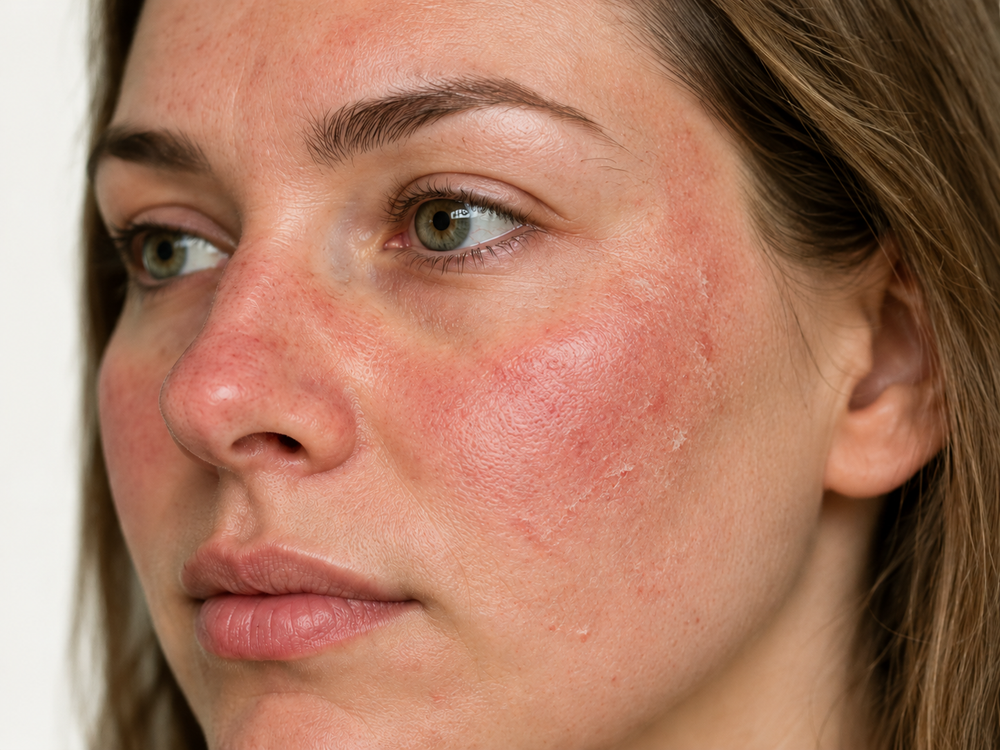
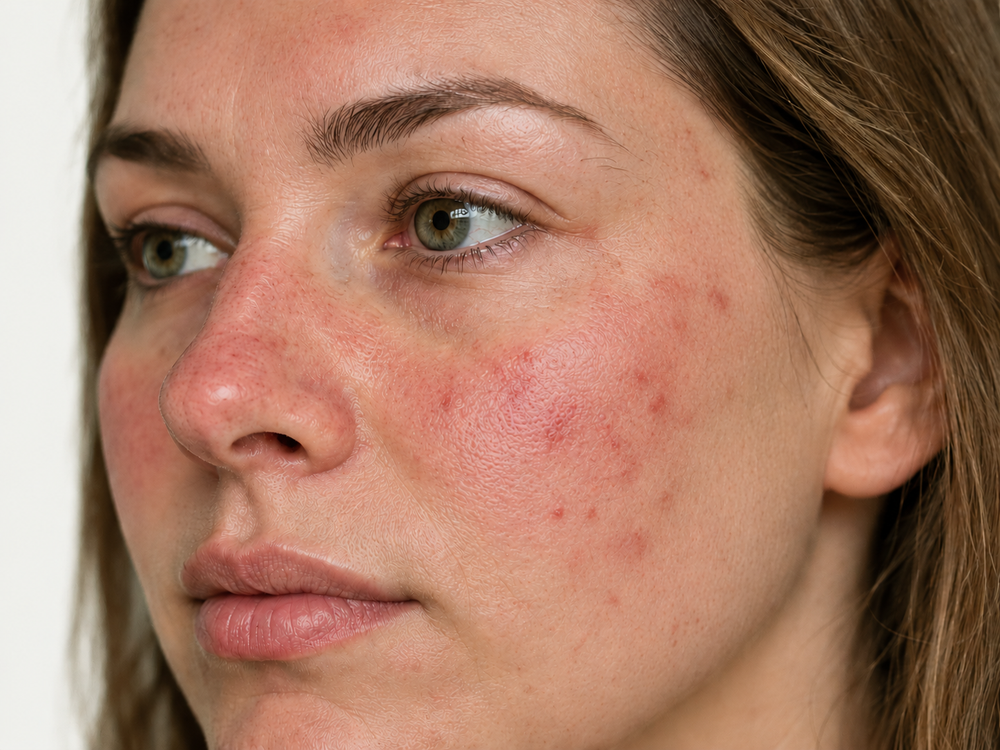
Editorial illustration relating to rosacea
01

Rosacea

Rosacea is a chronic inflammatory skin condition that commonly affects the cheeks, nose, forehead, and chin.

Common symptoms include persistent redness, recurring flushing, visible blood vessels, burning sensations, and sometimes small inflammatory bumps.

What Helps

Dermatologists may recommend prescription medications such as azelaic acid, metronidazole, or ivermectin for certain symptoms. Vascular laser or intense pulsed light treatments may help selected patients with persistent redness or visible vessels. Rosacea has no permanent cure, but symptoms can often be managed effectively.
Editorial illustration relating to irritant contact dermatitis
02

Irritant Contact Dermatitis

Irritant contact dermatitis occurs when substances damage or irritate the skin's protective barrier.

Potential triggers include harsh cleansers, excessive exfoliation, fragrances, and certain skincare treatments. Symptoms may include burning, dryness, redness, tightness, and flaking.

What Helps

Stop using suspected irritating products, cleanse gently, and use fragrance-free moisturizers. Persistent or severe irritation may require medical treatment.

Editorial illustration relating to allergic contact dermatitis
03

Allergic Contact Dermatitis

Allergic contact dermatitis develops when the immune system reacts to a substance that touches the skin.

Common allergens may include fragrances, preservatives, hair dyes, and certain cosmetic ingredients. Symptoms can include itching, swelling, redness, and a rash.

What Helps

Identifying and avoiding the responsible allergen is essential. Dermatologists may recommend patch testing and appropriate anti-inflammatory treatment.

Editorial illustration relating to eczema
04

Eczema (Atopic Dermatitis)

Eczema is a chronic inflammatory condition associated with dry, itchy, and sensitive skin. It can cause inflamed, rough, or scaly patches on the face.

What Helps

Regular moisturizing, gentle cleansing, avoiding known triggers, and prescribed anti-inflammatory treatments can help control symptoms.

Editorial illustration relating to inflammatory acne
05

Inflammatory Acne

Inflammatory acne develops when hair follicles become inflamed, producing red bumps, pustules, or deeper painful lesions. Red or darker marks may remain after blemishes heal.

What Helps

Evidence-based acne treatments may include benzoyl peroxide, topical retinoids, or prescription medications, depending on severity. Because some acne treatments can cause irritation, they should be introduced appropriately.

Editorial illustration relating to sun exposure and sunburn
06

Sun Exposure and Sunburn

Ultraviolet radiation can damage skin cells and trigger inflammation. Excessive sun exposure may cause redness, warmth, tenderness, peeling, or blistering. Repeated UV exposure can also contribute to visible blood vessels and premature skin aging.

What Helps

Use broad-spectrum SPF 30 or higher, seek shade, and avoid excessive UV exposure. Cool compresses and gentle moisturizers may provide relief from mild sunburn.

Editorial illustration relating to visible facial blood vessels
07

Visible Facial Blood Vessels (Telangiectasia)

Telangiectasia refers to small, persistently widened blood vessels that appear as fine red lines near the skin's surface. They are often noticeable around the cheeks and nose and may be associated with rosacea or chronic sun exposure.

What Helps

Professional vascular laser or selected light-based procedures may reduce their appearance. Ordinary skincare products cannot reliably eliminate established visible blood vessels.

This information is for general educational purposes and is not a substitute for professional medical advice, diagnosis, or treatment. Images are illustrative and are not diagnostic tools. If redness is persistent, severe, worsening, or accompanied by concerning symptoms, consult a qualified healthcare professional.

A gentle guide to skin comfort

How to Calm Facial Redness Safely

When your skin becomes red, irritated, or uncomfortable, the first step is understanding what may be causing the reaction.

While some forms of redness improve with gentle skincare and avoiding irritants, others require targeted medical treatment.

The following five steps can help support skin comfort and reduce avoidable irritation.

Gentle skincare for sensitive skin
01

Simplify Your Skincare Routine

Temporarily reduce unnecessary skincare products, especially those causing burning or stinging.

Avoid harsh exfoliating acids, abrasive scrubs, fragranced products, and aggressive cleansing.

Instead, choose a mild, fragrance-free cleanser and gentle moisturizer.

Why It Helps: Reducing exposure to irritating ingredients may allow a compromised skin barrier to recover.

02

Support Your Skin Barrier

Your skin barrier helps retain moisture and protect against environmental irritants. When disrupted, dryness, sensitivity, and irritation may increase.

Choose fragrance-free moisturizers containing ingredients such as:

  • Ceramides: Help maintain the skin's protective barrier.
  • Glycerin: Attracts and retains moisture.
  • Petrolatum: Helps reduce moisture loss.
  • Hyaluronic Acid: Supports skin hydration.

Why It Helps: Maintaining hydration and reducing moisture loss can improve skin comfort and support barrier function.

03

Use Cool, Gentle Care

A cool, clean compress may temporarily soothe mild irritation or heat-related flushing.

Wash your face with lukewarm water and gently pat the skin dry.

Avoid rubbing, excessive heat, or applying ice directly to the skin.

Why It Helps: Gentle care minimizes additional irritation, while cool compresses may provide temporary relief.

04

Protect Your Skin From the Sun

Ultraviolet radiation can damage skin cells, trigger inflammation, and worsen certain redness-related conditions.

Apply broad-spectrum sunscreen with SPF 30 or higher every day.

Mineral sunscreens containing zinc oxide or titanium dioxide may be better tolerated by some people with sensitive skin.

Why It Helps: Consistent sun protection reduces UV-related damage and may help prevent certain redness flare-ups.

05

Treat the Underlying Cause

Not all facial redness can be resolved through skincare alone.

Persistent redness may be associated with rosacea, eczema, allergic contact dermatitis, or other inflammatory conditions.

Depending on the diagnosis, a dermatologist may recommend prescription treatments, allergen avoidance, or professional procedures.

Why It Helps: Addressing the underlying condition is more effective than relying solely on cosmetic products to conceal redness.

Beautrol · Skincare education

Your Complete Guide to Calmer, Healthier-Looking Skin

Caring for redness-prone skin involves more than choosing the right products. A consistent daily routine, awareness of personal triggers, and understanding available skincare technologies can all contribute to better skin care.

The following guide explains how to build a gentle skincare routine, reduce avoidable irritation, and understand the potential role of red light therapy.

01 Building a Gentle Daily Skincare Routine

A simple, consistent skincare routine can help maintain the skin's protective barrier and minimize unnecessary irritation.

Morning routine — Protect & hydrate

  1. 01 Gentle cleansing

    Wash your face with lukewarm water and a mild, fragrance-free cleanser. Avoid aggressive rubbing or scrubbing.

  2. 02 Targeted treatment

    If you have a diagnosed skin condition, apply prescribed treatments according to your healthcare professional's instructions.

  3. 03 Moisturize

    Use a gentle, fragrance-free moisturizer to support hydration and reduce moisture loss.

  4. 04 Sun protection

    Finish with broad-spectrum SPF 30 or higher. Reapply as directed, particularly when spending time outdoors.

Evening routine — Cleanse & restore

  1. 01 Remove makeup & sunscreen

    Use a gentle cleansing product to remove makeup, sunscreen, and daily buildup without stripping the skin.

  2. 02 Avoid over-exfoliation

    If your skin is irritated, burning, or stinging, temporarily avoid exfoliating acids, scrubs, and other potentially irritating treatments.

  3. 03 Apply prescribed treatments

    Follow your dermatologist's instructions when using prescription skincare medications.

  4. 04 Moisturize

    Finish with a fragrance-free moisturizer to help maintain skin hydration overnight.

02 How to Prevent Facial Redness

Although not every cause of facial redness can be prevented, several daily habits may help reduce avoidable flare-ups.

1. Protect against UV exposure. Use broad-spectrum SPF 30 or higher daily. Seek shade and consider wearing a wide-brimmed hat during prolonged outdoor activities.

2. Avoid excessive heat. Very hot showers, saunas, and overheating can trigger flushing in some individuals, particularly those with rosacea.

3. Introduce new products gradually. Test new skincare products on a small area before applying them widely. Avoid introducing multiple new products simultaneously.

4. Choose gentle formulations. Prioritize fragrance-free products suitable for sensitive skin. Discontinue products that repeatedly cause burning, stinging, or irritation.

5. Recognize your personal triggers. Keep a simple skincare journal to identify possible connections between redness and environmental conditions, foods, activities, or skincare products.

6. Avoid unnecessary treatments. Excessive exfoliation and frequent use of irritating skincare treatments may worsen sensitivity and compromise skin comfort.

03 Can Red Light Therapy Help Facial Redness?

Red light therapy has attracted growing interest in skincare because of its potential effects on cellular activity and inflammatory processes. Some early research suggests that certain red and near-infrared light wavelengths may influence biological pathways involved in skin health. However, scientific evidence supporting consumer red light therapy devices specifically for facial redness remains limited. Results may vary depending on the device, treatment settings, and underlying skin condition.

Understanding the difference

At-home LED devices. These devices typically emit low-intensity light and are marketed for cosmetic skincare purposes. Their effectiveness for treating persistent facial redness has not been conclusively established.

Professional vascular laser and intense pulsed light treatments. These procedures use different technologies and have more established clinical applications for certain rosacea-related symptoms, including persistent redness and visible blood vessels.

This article is for general educational purposes and is not a substitute for professional medical advice, diagnosis, or treatment. Speak with a qualified healthcare professional about persistent or concerning skin symptoms.

Beautrol skin guide

When to Seek Expert Advice & Your Skincare Questions Answered

While occasional facial flushing is often harmless, persistent or recurring redness may indicate an underlying skin condition.

Understanding when to seek professional advice is an important part of maintaining healthy skin.

This final guide explains when dermatological care may be necessary, answers common questions about facial redness, and highlights trusted medical resources for further education.

Part 1

When Should You See a Dermatologist?

Occasional facial redness may resolve naturally, particularly when associated with temporary triggers such as heat or exercise. However, professional evaluation is recommended when redness:

  • Persists or repeatedly returns.
  • Becomes increasingly painful or uncomfortable.
  • Is accompanied by significant itching, swelling, or scaling.
  • Develops alongside unusual bumps or visible blood vessels.
  • Does not improve after removing suspected irritants.
  • Interferes with daily comfort or confidence.

When to seek urgent medical attention

Seek urgent medical care if facial redness is accompanied by rapidly spreading, painful, or swollen skin with fever; eye pain, blurred vision, or significant eye swelling; or severe skin reactions involving blistering or widespread peeling.

Sudden facial swelling accompanied by difficulty breathing requires emergency medical assistance.

Important reminder: Persistent facial redness should not automatically be treated as ordinary skin sensitivity. Conditions such as rosacea, dermatitis, and infections may require different treatments.

Part 2

Frequently Asked Questions About Facial Redness

Can facial redness be permanently cured?

The answer depends on the underlying cause. Temporary irritation may resolve after removing the trigger, while chronic conditions such as rosacea generally require ongoing management.

Is facial redness always a sign of sensitive skin?

No. Facial redness can develop from temporary flushing, sun exposure, inflammation, allergic reactions, infections, or visible blood vessels. Sensitive skin is only one possible explanation.

Does drinking more water reduce facial redness?

Maintaining adequate hydration supports general health, but drinking extra water is not an established treatment for persistent facial redness or medical conditions such as rosacea.

Can niacinamide help redness-prone skin?

Niacinamide is used in skincare formulations designed to support skin barrier function. Some people tolerate it well, while others may experience irritation from particular formulations. It is not a universal treatment for facial redness.

Should I exfoliate when my face is red?

If your skin is actively irritated, burning, or stinging, it is generally best to avoid exfoliation until the irritation has settled. Persistent symptoms should be evaluated by a qualified healthcare professional.

How long does facial redness take to disappear?

Recovery depends on the cause. Temporary flushing may fade within minutes or hours, while dermatitis can take days or weeks to improve after removing the trigger. Chronic conditions may require ongoing treatment.

Part 3

Final Thoughts: Healthy Skin Begins With Understanding

Facial redness is not always a sign that your skin needs stronger products or more intensive treatments.

Sometimes the explanation is simple, such as temporary flushing after exercise or exposure to heat. In other situations, persistent redness may indicate an underlying condition requiring targeted treatment.

The most effective approach begins with understanding your skin's needs, maintaining a gentle skincare routine, protecting its natural barrier, identifying personal triggers, and seeking professional advice when necessary.

At Beautrol, we believe that beautiful skin begins with informed choices, gentle care, and consistent self-care habits.

Because healthy-looking skin isn't about perfection. It's about understanding, protecting, and caring for the skin you're in.

Part 4

Medical References & Trusted Sources

Leave a comment

This site is protected by hCaptcha and the hCaptcha Privacy Policy and Terms of Service apply.